You Won’t Believe What I Found Floating in This Emerald Sea
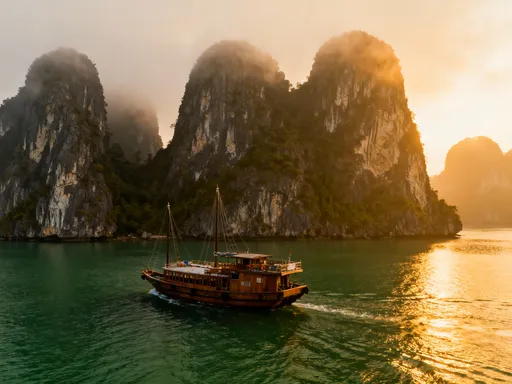
Imagine gliding through a dreamlike world where limestone towers rise from emerald waters, their peaks hidden in mist. Ha Long Bay isn’t just a destination—it’s a living painting. I never expected such raw beauty could exist on Earth. This is more than sightseeing; it’s soul-stirring. The moment the first karst island appears on the horizon, silhouetted against a soft morning light, time seems to slow. Thousands visit each year, yet few are truly prepared for the emotional impact of this UNESCO World Heritage Site. It’s not simply the scenery—it’s the silence between the waves, the way the water holds the sky, and the sense of stepping into a realm untouched by time. Let me show you why this natural wonder deserves a place at the top of every traveler’s list.
The First Glimpse: Arriving in Ha Long Bay
For most travelers, the journey to Ha Long Bay begins with a three- to four-hour drive from Hanoi. As the city’s bustle fades behind, the landscape transforms—first into rice paddies stitched with irrigation lines, then into low-lying hills draped in green. The real shift happens when the first limestone monoliths appear in the distance, rising like sentinels from the Gulf of Tonkin. It’s a moment that catches even seasoned travelers off guard. These are not mere hills, but jagged towers of rock, cloaked in jungle, emerging from shimmering water. The contrast between the urban energy of Vietnam’s capital and the serene, almost otherworldly calm of the bay is profound.
Many visitors choose to board their cruise directly in the port city of Ha Long, where the harbor buzzes with activity. Dozens of vessels, from sleek wooden junks to modern catamarans, line the docks, ready to carry guests into the heart of the bay. Others opt for transfers from nearby Cat Ba Island, offering a quieter departure point with fewer crowds. Regardless of entry, the first glimpse from the deck—when the boat cuts through the still water and the karsts unfold in every direction—is unforgettable. The light plays differently at various times of day: early morning brings a soft silver glow, while late afternoon bathes the cliffs in golden hues, deepening the shadows in their crevices.
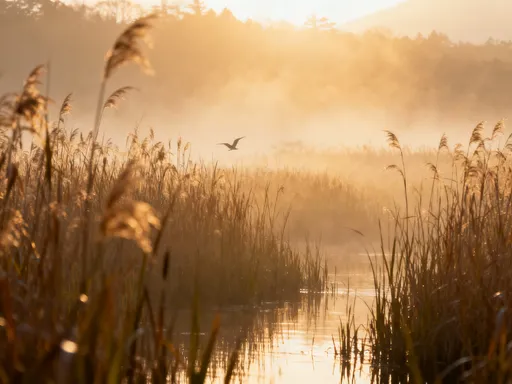
Timing is more than poetic—it’s practical. Arriving at dawn not only provides the clearest views but also avoids the haze that can settle by midday. On some mornings, a delicate mist hovers just above the water, wrapping the lower sections of the islands in mystery, as if they’re floating in air. This ethereal quality is one of Ha Long’s most cherished gifts. For photographers and dreamers alike, that first hour on the water is pure magic. It sets the tone for the entire journey, reminding us that some places on Earth still hold the power to astonish.
Why the Natural Landscape Steals the Show
At the heart of Ha Long Bay’s allure is its extraordinary geology. More than 1,600 limestone islets and towers rise from the sea, each shaped by over 500 million years of natural forces. These formations are the result of tectonic shifts, sea-level changes, and relentless erosion by wind, rain, and saltwater. The karsts are not static—they are still evolving, slowly sculpted by the elements. Their surfaces are pockmarked with caves, fissures, and overhangs, telling stories of ancient oceans and shifting climates. To stand beneath one of these formations is to feel the weight of deep time.
The process that created this landscape began when this region was part of a vast carbonate shelf beneath a prehistoric sea. Over eons, layers of sediment compressed into limestone. As tectonic plates pushed the area upward, the rock was exposed. Rainwater, slightly acidic from absorbing carbon dioxide, began dissolving the limestone along fractures, widening them into grottos and caverns. Today, visitors can explore some of these caves—like the massive Thien Cung Cave, where stalactites hang like chandeliers and stalagmites rise like ancient altars. The interplay of light and shadow inside creates a cathedral-like atmosphere, quiet and reverent.
What makes Ha Long Bay truly unique is the combination of land and sea. Unlike mountain ranges or desert formations, these islands exist in constant dialogue with the tides. Some are connected by narrow tidal channels, others stand completely isolated. Their peaks are often crowned with dense tropical vegetation, giving them the appearance of floating forests. No two islands are alike—one might be smooth and rounded, another sharply pointed like a dagger. From a distance, they resemble a fleet of stone ships frozen mid-voyage. This surreal quality is why many compare the bay to scenes from fantasy films or mythic legends. But unlike fiction, this landscape is real, tangible, and humbling in its scale.
Floating Villages: Life Amid the Karsts
Amid the natural splendor, human life thrives in unexpected ways. Scattered across the bay are floating villages—communities that have lived on the water for generations. These are not tourist attractions fabricated for show, but real homes where families fish, raise children, and maintain traditions passed down for decades. Houses are built on sturdy wooden pontoons, tethered together in clusters. Some are simple shacks with corrugated roofs, others are more elaborate, with satellite dishes and solar panels. Nets hang from poles to dry in the sun, and small boats shuttle residents between homes and fishing grounds.
Life in these villages revolves around the rhythm of the sea. Fishermen set out before sunrise, returning with baskets of squid, mackerel, and sea bass. Many families operate fish farms, raising species in netted enclosures beneath their homes. Children attend floating schools, where lessons are conducted above gently rocking classrooms. Despite the challenges—limited access to fresh water, electricity, and medical care—residents speak with pride about their way of life. There’s a deep connection to the water, a sense of belonging that land dwellers might struggle to understand.
Tourism has brought both opportunities and challenges. On one hand, some families now earn income by offering boat tours, selling handwoven crafts, or hosting cultural demonstrations. On the other hand, increased boat traffic and waste from cruise ships have strained the fragile ecosystem. Some visitors, unaware of local customs, treat the villages as photo backdrops rather than living communities. The key to respectful engagement is mindfulness. Choosing guided community visits led by local cooperatives ensures that tourism benefits residents directly. Buying a woven basket or sharing a meal on a family’s boat does more than support the economy—it fosters genuine human connection.
Cruising with Purpose: Choosing the Right Experience
With hundreds of cruise operators serving Ha Long Bay, selecting the right one can make or break the experience. Not all vessels are created equal, and the difference between a meaningful journey and a crowded sightseeing trip often comes down to intention. Overnight cruises, typically lasting two days and one night, allow travelers to witness the bay at sunrise and sunset—moments when the light is most dramatic and the water most still. Day trips, while more affordable, often mean missing these quiet hours and navigating the same congested routes as dozens of other boats.
Luxury cruises offer spacious cabins, gourmet meals, and personalized service, but they come at a higher environmental cost if not managed responsibly. Budget options may provide basic accommodations but sometimes cut corners on safety and sustainability. The best choice lies in eco-conscious operators—those that prioritize low-impact practices, employ local crews, and follow strict waste management protocols. Look for certifications from recognized sustainability programs or evidence of onboard recycling, composting toilets, and energy-efficient engines. Some operators even partner with marine conservation groups to monitor water quality and protect coral habitats.
Travelers should also consider itinerary design. The most popular routes concentrate in the central zone of the bay, where congestion can diminish the sense of solitude. Seeking out cruises that explore Bai Tu Long Bay or the less-visited southern zones offers a quieter, more intimate experience. Smaller vessels, particularly traditional wooden junks, can access narrow channels and hidden coves that larger boats cannot. When booking, aim for departures in the shoulder seasons to avoid peak crowds. Pack essentials like motion sickness tablets, a reusable water bottle, and layered clothing—temperatures can shift quickly over water. Above all, choose a cruise that values authenticity over spectacle.
Hidden Gems Beyond the Main Routes
While the central clusters of Ha Long Bay draw the majority of visitors, some of the most profound experiences await off the beaten path. These quieter corners, accessible only by kayak or small rowboat, reveal a different side of the landscape—one defined by silence, intimacy, and raw beauty. Luon Cave, for example, is a narrow grotto where visitors paddle through an underground river flanked by towering limestone walls. Sunlight filters through cracks in the ceiling, casting shifting patterns on the water. The sound of the paddle dipping into the surface becomes the only noise, a meditative rhythm that deepens the sense of presence.
Another hidden treasure is Trong Cave, known for its dramatic entrance and cathedral-like interior. Inside, the air is cool and still, the walls adorned with centuries-old mineral deposits. Some lesser-known islets host secluded beaches, reachable only at low tide, where footprints in the sand are rare. These spaces invite reflection, offering a chance to disconnect from the digital world and reconnect with nature. They are not marked on every map, and few tour groups include them in standard itineraries—but for those willing to seek them out, the rewards are immeasurable.
The key to discovering these places lies in local knowledge. Hiring a guide from a nearby fishing village often leads to routes unknown to commercial operators. These guides understand tidal patterns, know which caves are safe to enter, and can point out nesting seabirds or rare orchids clinging to rock faces. Their stories—about storms, family histories, and changes in the bay—add depth to the journey. Exploring beyond the main routes isn’t about ticking off landmarks; it’s about slowing down, listening, and allowing the landscape to reveal itself in its own time.
When Nature Calls: Best Times and Travel Tips
Ha Long Bay’s beauty is ever-changing, shaped significantly by the seasons. The ideal time to visit falls between October and December and again from March to May. During these months, the weather is generally dry, skies are clear, and temperatures are mild—perfect for cruising, kayaking, and swimming. Visibility is at its peak, allowing unobstructed views of the karsts and vibrant sunsets over the water. These periods also avoid the extremes of summer heat and winter chill, making outdoor activities comfortable and enjoyable.
The monsoon season, from June to September, brings higher humidity, frequent rain, and the possibility of tropical storms. While some travelers find the moody skies and mist-shrouded islands romantic, cruise operators may alter or cancel itineraries due to safety concerns. Fog can reduce visibility, making navigation difficult, and rough seas may limit access to certain caves or beaches. Still, visiting during the shoulder months can mean fewer crowds and lower prices—a trade-off worth considering for flexible travelers.
Regardless of timing, preparation is essential. Motion sickness is a common concern, especially on smaller boats or in choppy conditions. Medications or wristbands can help ease discomfort. Waterproof bags are crucial for protecting electronics and clothing, and reef-safe sunscreen protects both skin and marine life. Lightweight, quick-drying clothing, a wide-brimmed hat, and sturdy sandals are practical choices. Early risers will be rewarded with the calmest waters and best photo opportunities. Finally, respecting park regulations—such as staying within designated swimming areas and avoiding contact with coral—ensures that the bay remains pristine for future generations.
Protecting Paradise: Responsible Tourism in Action
Ha Long Bay’s future depends on the choices travelers make today. Once a remote wonder, it now faces growing pressure from tourism, pollution, and climate change. Plastic waste, often carried by currents from distant sources, washes up on hidden shores. Overfishing threatens marine biodiversity, and unchecked development risks damaging fragile ecosystems. The very features that make the bay so captivating—its clear waters, abundant wildlife, and unspoiled islands—are under threat.
Responsible tourism is not a burden—it’s an opportunity to be part of the solution. Every visitor can contribute by choosing low-impact activities, refusing single-use plastics, and supporting operators committed to sustainability. Simple actions, like carrying a reusable bottle, participating in a beach cleanup, or reporting illegal fishing, create ripple effects. Travelers can also educate others, sharing stories that emphasize preservation over consumption. When we view nature not as a backdrop for photos but as a living system to be respected, our relationship with it transforms.
Conservation is not just the responsibility of governments or scientists—it belongs to everyone who sets foot in this extraordinary place. By traveling mindfully, we honor the generations who have lived in harmony with the bay and ensure that its magic endures. Ha Long Bay is more than a destination; it is a reminder of Earth’s quiet majesty. To protect it is not duty, but love—a quiet promise whispered across the waves, carried forward with every respectful step, every conscious choice.