You Won’t Believe How Alive Johor Bahru’s Urban Heart Feels
Johor Bahru isn’t just a gateway to Singapore—it’s a city pulsing with urban energy, cultural layers, and unexpected charm. I walked its streets not looking for postcard views, but for the real vibe: street art, local eats, and spaces where people gather. What I found was a city reinventing itself, blending old shophouses with bold new designs. This is more than a travel guide—it’s a firsthand look at how urban spaces in Johor Bahru are coming alive in the most surprising ways.
The Pulse of the City: Johor Bahru’s Urban Transformation
Johor Bahru, once regarded as a mere transit point for travelers crossing into Singapore, has evolved into a vibrant urban center in its own right. Positioned at the southern tip of Peninsular Malaysia, the city benefits from its strategic location, serving as a crucial link between Malaysia and one of Southeast Asia’s most dynamic economies. Over the past two decades, Johor Bahru has experienced significant economic growth, driven by cross-border commerce, real estate development, and increasing investment in infrastructure. The skyline, once dominated by low-rise buildings, now features modern towers and mixed-use complexes that reflect the city’s growing confidence and ambition.
This transformation is not limited to economic metrics or architectural changes. It is deeply rooted in the city’s cultural evolution. Johor Bahru has always been a melting pot of Malay, Chinese, Indian, and Peranakan influences, but recent urban planning initiatives have amplified these identities in public spaces. Areas like the Johor Bahru City Square and the revitalized heritage districts showcase a deliberate effort to create environments where culture, commerce, and community intersect. Government-backed projects, such as the Iskandar Malaysia economic corridor, have played a pivotal role in attracting both local and international interest, further accelerating urban renewal.
What makes this transformation particularly compelling is its human-centered approach. Unlike cities that prioritize speed and scale over soul, Johor Bahru has made efforts to preserve its character while embracing change. Narrow alleyways still lead to centuries-old temples and clan houses, while newly paved pedestrian zones encourage foot traffic and social interaction. Public art installations, community markets, and cultural festivals are increasingly woven into the urban fabric, creating a sense of continuity between past and present. This balance is what gives Johor Bahru its unique rhythm—a city that grows without losing its heartbeat.
Hidden in Plain Sight: Street Art and Creative Districts
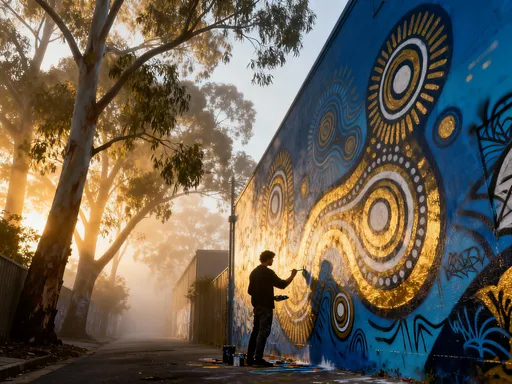
One of the most striking signs of Johor Bahru’s cultural awakening is its burgeoning street art scene. What was once overlooked as a blank urban canvas has become a dynamic gallery of expression, particularly in the historic district of Jalan Tan Hiok Nee. This narrow, heritage-rich street, lined with restored shophouses, now features vibrant murals that tell stories of local life, folklore, and community pride. Artists from Malaysia and beyond have contributed to this open-air exhibition, turning forgotten walls into conversation starters and Instagram-worthy landmarks.
These artworks are more than decorative; they serve as cultural anchors. A mural depicting a traditional Malay kite, or wau, pays homage to Johor’s royal heritage, while another shows a grandmother preparing kuih, the colorful steamed cakes that are a staple at family gatherings. These images resonate deeply with residents, especially older generations who see their memories reflected in paint. At the same time, younger visitors and tourists are drawn to the authenticity and creativity, often pausing to take photos or strike up conversations with locals about the stories behind the art.
The impact of street art extends beyond aesthetics. In neighborhoods like Tanjung Puteri and the vicinity of Komtar JB, murals have played a key role in revitalizing underused spaces. Once-neglected alleyways now buzz with activity, hosting pop-up markets, art walks, and guided tours. Local businesses have taken notice, with cafes and boutiques opening in proximity to these creative zones. The city government, in partnership with cultural organizations, has supported these efforts through initiatives like the Johor Bahru Street Art Festival, which invites artists to co-create with the community and ensures that the art remains inclusive and meaningful.
What makes Johor Bahru’s street art movement particularly special is its grassroots nature. Unlike curated installations in sterile galleries, these works emerge from the streets, shaped by local voices and lived experiences. They reflect the city’s identity not as a polished product, but as a living, evolving narrative. For visitors, walking through these artistic districts is not just a visual experience—it’s an invitation to see the city through the eyes of its people.
From Morning Markets to Night Hubs: Rhythms of Daily Life
The true essence of Johor Bahru reveals itself in the rhythms of daily life, where commerce, culture, and community unfold in a seamless flow. The day begins at Pasar Besar Johor Bahru, the city’s main wet market, where the scent of fresh herbs, tropical fruits, and grilled seafood fills the air. Vendors arrange pyramids of rambutan and dragon fruit, while butchers expertly carve cuts of meat and fishmongers display glistening barramundi and prawns. This is not a tourist spectacle; it’s a vital hub for families stocking up on ingredients for the day’s meals, a place where generations gather and traditions are quietly upheld.
By mid-morning, the energy shifts to hawker centers and kopitiams, the traditional coffee shops that serve as social anchors. Places like Medan Selera Taman Mount Austin and the food courts within City Square Mall offer a diverse culinary landscape. Here, one can savor Hainanese chicken rice, spicy laksa Johor (a local variant with spaghetti-like noodles), and Indian rojak served with fiery shrimp paste. These spaces are more than places to eat—they are stages for everyday interactions, where office workers share tables, retirees sip kopi-o in the shade, and children laugh over plates of curry puff.
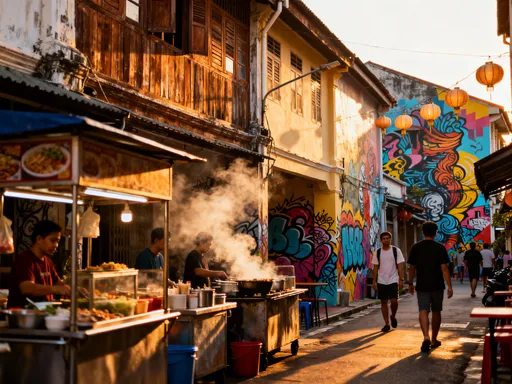
As the sun sets, the city transforms once more. Outdoor food streets such as Jalan Dhoby and Tebrau come alive with neon signs, sizzling woks, and the hum of conversation. Families stroll through night markets, sampling grilled satay, sweet cendol, and freshly made ais kacang. Music drifts from nearby cafes, where young people gather over bubble tea and board games. These evening hubs reflect Johor Bahru’s growing emphasis on leisure and community engagement, offering safe, inclusive spaces where people of all ages can connect.
This daily rhythm—from the quiet focus of the morning market to the lively buzz of the night street—is a testament to the city’s social vitality. It is in these ordinary moments that Johor Bahru’s authenticity shines, revealing a culture that values connection, flavor, and the simple joy of being together. For visitors, participating in this rhythm is the most rewarding way to experience the city.
Green in the Concrete: Parks and Urban Oases
In the midst of Johor Bahru’s urban growth, green spaces have become essential sanctuaries for both residents and visitors. Danga Bay Park, stretching along the coastline, is one of the city’s most beloved recreational areas. With its wide promenade, children’s playgrounds, and open lawns, it serves as a weekend destination for families, joggers, and cyclists. The gentle sea breeze, views of offshore islands, and occasional kite-flying events create a relaxed atmosphere that contrasts with the city’s busier districts. Regular community activities, such as yoga sessions and environmental clean-up drives, further strengthen the park’s role as a space for health and connection.
Another key green space is Taman Merdeka, centrally located and easily accessible by public transport. This park features shaded walkways, exercise stations, and a small lake that attracts birds and dragonflies. It is common to see elderly residents practicing tai chi at dawn or groups of friends picnicking under the trees in the late afternoon. Unlike manicured botanical gardens, Taman Merdeka has a lived-in quality, reflecting the needs and habits of the surrounding neighborhoods. Its simplicity is part of its charm—a place where people can breathe, move, and simply be.
Beyond these larger parks, Johor Bahru has embraced smaller-scale greening initiatives. Vertical gardens on building facades, community planters along sidewalks, and rooftop green spaces in commercial developments all contribute to a more balanced urban environment. Schools and housing complexes are increasingly incorporating green areas into their designs, recognizing the mental health benefits of access to nature. Studies have shown that even brief exposure to greenery can reduce stress and improve focus, making these efforts not just aesthetic but deeply practical.
The city’s commitment to green spaces reflects a growing awareness of urban well-being. As Johor Bahru continues to develop, planners are prioritizing the integration of nature into the built environment. This approach not only enhances quality of life but also supports environmental resilience, from reducing urban heat to improving air quality. For visitors, these oases offer moments of calm and reflection, reminding them that a vibrant city is not just about movement and noise, but also about space, stillness, and renewal.
Old Meets New: Adaptive Reuse of Heritage Buildings
One of Johor Bahru’s most inspiring urban trends is the adaptive reuse of its historic buildings. Across the city, century-old shophouses and colonial-era structures are being thoughtfully restored and repurposed, blending preservation with innovation. In the Jalan Trus area, for example, former merchant homes have been transformed into boutique cafes, art galleries, and co-working spaces. These conversions retain original architectural details—such as timber shutters, terrazzo floors, and ornate facades—while introducing modern interiors that meet contemporary needs.
This approach to heritage conservation is both practical and symbolic. By giving old buildings new life, the city avoids the waste and loss associated with demolition. More importantly, it maintains a visible connection to the past, allowing residents to walk through history even as they go about their daily lives. A coffee shop housed in a 1920s shophouse, for instance, becomes more than a place to drink kopi—it becomes a living museum, where the walls tell stories of traders, families, and communities that once shaped the neighborhood.
Private entrepreneurs and community groups have been instrumental in this movement. Projects like the restoration of the historic Sultan Ibrahim Building and the conversion of old warehouses into creative hubs demonstrate how public-private partnerships can drive meaningful change. These spaces often host cultural events, from photography exhibitions to traditional music performances, further enriching the city’s cultural offerings. Local pride is evident in the care taken to preserve authenticity, whether through using traditional materials or consulting with heritage experts.
The success of adaptive reuse in Johor Bahru offers a model for other rapidly developing cities. It proves that progress does not require erasing the past, but rather reimagining it. For visitors, exploring these spaces provides a deeper understanding of the city’s identity—one that honors its roots while confidently moving forward. Each restored building is a quiet statement: that history and modernity can coexist, and that beauty lies in the dialogue between them.
Getting Around: Walkability and Transit in the Urban Fabric
Navigating Johor Bahru has become increasingly accessible, thanks to ongoing improvements in walkability and public transportation. In the city center, wide sidewalks, pedestrian crossings, and shaded walkways make it easier to explore on foot. Areas like Jalan Wong Ah Fook and the vicinity of City Square are particularly walkable, with clear signage, benches, and street lighting enhancing safety and comfort. For visitors, walking is not only a practical way to get around, but also the best way to absorb the city’s atmosphere—to notice the scent of street food, the sound of temple bells, or the sudden splash of color from a mural around the corner.
The city’s bus network, operated by Causeway Link and other providers, connects major districts and shopping centers, offering an affordable alternative to taxis and ride-hailing services. Routes extend to residential neighborhoods, industrial zones, and tourist attractions, making daily commuting more efficient. While the system is still developing, recent upgrades such as real-time tracking apps and air-conditioned buses have improved the rider experience. For those crossing into Singapore, the Shuttle Tebrau train service provides a convenient and scenic option, linking JB Sentral with Woodlands in under 30 minutes.
Challenges remain, particularly in outer districts where infrastructure is less developed. Some areas lack continuous sidewalks or adequate lighting, making evening walks less comfortable. Traffic congestion during peak hours can also affect bus reliability. However, city planners are addressing these issues through long-term strategies, including the expansion of pedestrian networks and the integration of future rail links under the Johor Bahru Eastern Dispersal Link and potential MRT extensions.
For visitors, the key to navigating Johor Bahru comfortably is planning and awareness. Wearing comfortable shoes, carrying a map or using a reliable navigation app, and traveling during off-peak hours can greatly enhance the experience. Additionally, engaging with locals for directions or recommendations often leads to unexpected discoveries—a hidden eatery, a quiet park, or a friendly conversation. The city’s transit evolution reflects its broader journey: not yet perfect, but steadily improving, with a clear vision of creating a more connected and accessible urban environment.
Why Urban Spaces Matter: The Human Side of City Life
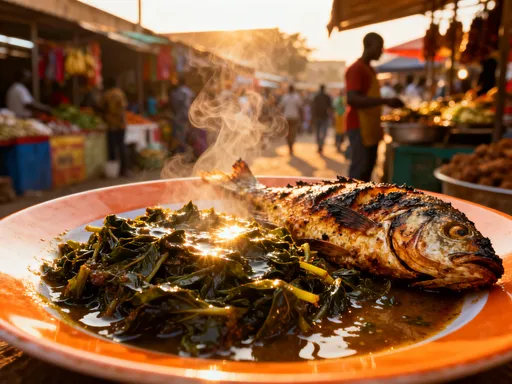
At its core, the transformation of Johor Bahru is not just about buildings, streets, or policies—it is about people. The true measure of a city’s success lies in how its spaces are used, shared, and cherished by those who live in it. In Johor Bahru, this human dimension is evident everywhere: in the grandmother selling homemade kuih at a weekend market, in the teenagers sketching in a shaded park corner, in the families laughing over plates of grilled fish at a night stall. These moments, though fleeting, are what give the city its soul.
Well-designed public spaces act as catalysts for connection. A plaza with benches and shade invites conversation. A hawker center with communal tables fosters interaction between strangers. A community art wall becomes a place where children point and parents explain. These environments do not just serve functional needs—they nurture belonging, creativity, and resilience. In a world where digital interactions often replace face-to-face ones, Johor Bahru’s emphasis on physical, shared spaces is both refreshing and necessary.
The city’s ability to balance development with authenticity is its greatest strength. Skyscrapers rise, but so do community gardens. Malls expand, but so do heritage walks. Technology advances, but traditions endure. This balance is not accidental—it is the result of thoughtful planning, civic engagement, and a deep respect for local identity. Residents are not passive recipients of change; they are active participants, shaping their neighborhoods through small acts of care and expression.
For visitors, experiencing Johor Bahru means stepping into this living ecosystem. It means tasting food made with generations of knowledge, walking streets layered with history, and feeling the warmth of a community that welcomes with quiet confidence. The city does not perform for tourists; it simply lives, and in doing so, it offers something rare: authenticity in motion. Its urban spaces are not just built—they are lived in, loved, and continually reimagined by the people who call it home.
Johor Bahru’s urban spaces aren’t just built—they’re lived in. As the city grows, its strength lies in balancing development with authenticity. By walking its streets, tasting its food, and feeling its rhythm, you don’t just see a city—you experience its soul. The future of Johor Bahru isn’t just in skyscrapers, but in the spaces where people meet, create, and belong.