You Won’t Believe These Udaipur Districts Everyone Gets Wrong
Udaipur isn’t just palaces and lakes—it’s a city of layers, split into districts that each tell a different story. I walked every lane, from bustling markets to quiet heritage zones, and learned the hard way which areas charm visitors and which ones leave them frustrated. The truth? Some neighborhoods look perfect on Instagram but hide real travel pitfalls. Let me show you what most guides won’t.
The Lakefront Illusion – Where Beauty Meets Overcrowding
The shores of Lake Pichola are where Udaipur reveals its postcard soul. The white-marble City Palace rises like a mirage from the water, and the iconic Lake Palace, now a luxury hotel, glows under golden sunlight. This is the Udaipur most travelers imagine—the romantic, fairy-tale version. Yet beneath the beauty lies a reality of overcrowding, inflated expectations, and a carefully managed tourist experience. During peak season, the ghats and promenades are packed with visitors, street vendors, and selfie-seekers, making it hard to find a quiet moment. Entry queues to the City Palace can stretch over an hour, and boat rides to the Lake Palace often feel more like a shuttle service than a serene journey.
Why does this happen? The lakefront is compact, and nearly every major attraction is clustered within a one-kilometer radius. This concentration makes access convenient but also unsustainable under high demand. Vendors selling miniature palaces, embroidered textiles, and overpriced snacks dominate the walkways, and while some offer authentic crafts, others rely on mass-produced imports. Tourists who arrive without a plan often end up spending more than intended on souvenirs, guides, or premium photo spots. Even dining becomes a challenge—restaurants with lake views charge double for the same thali served elsewhere in the city.
So how can visitors enjoy this iconic area without falling into the trap? Timing is everything. Arriving before 8 a.m. offers a rare glimpse of tranquility—early risers can walk along Gangaur Ghat as fishermen cast their nets and temple bells echo across the water. This is also the best time for photography, with soft light and fewer crowds. For boat rides, booking directly through authorized operators at the main jetty avoids inflated prices from middlemen. And instead of dining at the most visible lakefront restaurants, a short walk into the side lanes leads to family-run eateries serving the same Rajasthani dishes at fair prices.
Another smart move is to shift focus slightly. Just behind the City Palace, near the old market of Rajwada, quieter alleys reveal hidden courtyards and centuries-old havelis that few tourists explore. These areas offer a more intimate sense of Udaipur’s architectural heritage. The takeaway? The lakefront is worth visiting—but it rewards those who come prepared, avoid peak hours, and look beyond the obvious. Beauty here is real, but so are the pressures of mass tourism. Respecting local rhythms and planning ahead turns a chaotic scene into a meaningful experience.
Old City Lanes – A Maze of Culture and Confusion
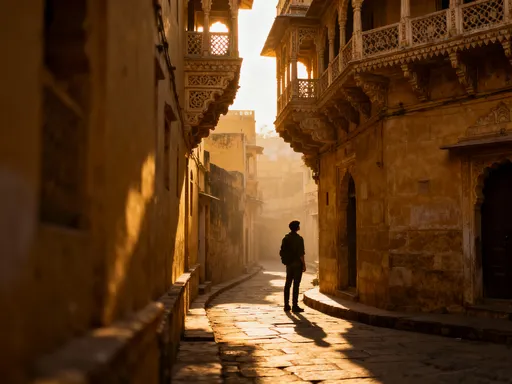
Step away from the lakes and into the Old City, and Udaipur transforms. Here, the streets narrow into winding passages, often just wide enough for a rickshaw and a pedestrian to pass. The air carries the scent of incense, frying snacks, and fresh marigolds from nearby temples. This is where Udaipur’s soul pulses strongest—home to generations of artisans, spice merchants, and temple priests. Walking through areas like Hathi Pol, Chand Pol, and Bada Bazaar, travelers encounter a living heritage that no museum can replicate. Hand-block printing workshops, silver jewelry makers, and traditional puppet craftsmen continue centuries-old trades, often in homes that double as storefronts.
Yet for all its authenticity, the Old City can overwhelm unprepared visitors. There are few street signs, and GPS often fails in the dense network of alleys. Many travelers report circling the same temple or getting blocked by a sudden staircase or closed gate. Without a basic sense of orientation, even short walks become disorienting. The lack of clear pathways is not a flaw—it’s a reflection of organic urban growth over 400 years—but it demands patience and presence. Additionally, the pace is slow and human-centered. Unlike modern districts, there are no wide sidewalks or traffic signals. Cows, children, and delivery carts move freely, and rushing through is neither practical nor respectful.
To navigate wisely, start with a short guided walk. Local heritage walks, offered by community-led initiatives, provide context and prevent aimless wandering. Guides explain the significance of gateways—like Hathi Pol, the Elephant Gate, once reserved for royal processions—and point out subtle details in carvings and frescoes. They also know where to find hidden stepwells, such as the restored Baori near Amba Mata Temple, a quiet retreat few tourists discover. These walks usually last 1.5 to 2 hours and are worth every rupee for the insight they provide.
Etiquette matters deeply here. When passing temples, especially during morning aarti, it’s important to move quietly and avoid blocking worshippers. Dressing modestly—covering shoulders and knees—is not just polite but expected. Photography should be discreet; always ask before taking pictures of people, especially artisans at work. And while bargaining is common in markets, it should be done with a smile, not aggression. The people of the Old City are not performers—they are residents living their daily lives. Treating them with dignity fosters genuine connections and often leads to unexpected invitations, like sharing chai with a carpet weaver or watching a family prepare festival sweets.
The Old City is not a theme park. It does not cater to convenience or speed. But for those willing to slow down, it offers something rare: an unfiltered encounter with tradition, craftsmanship, and community. Its confusion is not a flaw to fix, but a rhythm to learn. With humility and curiosity, travelers leave not with souvenirs alone, but with stories that linger.
Fatehpur – The Overhyped Suburb That Falls Short
Fatehpur, once a quiet village on Udaipur’s outskirts, has been rebranded as a scenic escape with panoramic views of the Aravalli hills and nearby lakes. Travel blogs and real estate brochures paint it as an up-and-coming destination—ideal for luxury stays, sunset cafes, and boutique wellness retreats. But the reality on the ground tells a different story. What was once a peaceful enclave is now caught in the grip of rapid, uncoordinated development. Half-finished buildings line the main road, construction dust coats parked scooters, and promised infrastructure—like proper drainage and street lighting—lags behind.
The appeal of Fatehpur is understandable. It sits on higher ground, offering breezy evenings and sweeping vistas. A few well-established resorts and private villas deliver on the promise of comfort and privacy. But the surge of new businesses has diluted the experience. Overpriced cafes with rooftop seating often serve reheated food and weak coffee, banking more on the view than quality. Some claim to offer “authentic rural charm,” yet their menus are identical to those in the city—paninis, lattes, and avocado toast—with little connection to local cuisine. Even the much-touted sunset points are now shared with construction cranes and power lines, marring the natural beauty.
Transportation adds to the frustration. Public buses are infrequent, and auto-rickshaws often quote inflated fares, knowing tourists have few alternatives. Ride-sharing apps operate sporadically, and the last stretch to many destinations involves a bumpy drive on uneven roads. For day-trippers, a two-hour visit may feel like enough. For those considering an overnight stay, it’s worth verifying current conditions. Calling ahead to confirm water supply, Wi-Fi reliability, and access routes can prevent disappointment. Some newer properties still lack 24/7 electricity or proper waste management, despite marketing themselves as eco-luxury.
Does this mean Fatehpur should be avoided? Not entirely. It can work for travelers seeking quiet, especially outside peak season. A few standout homestays, run by long-time residents, offer genuine hospitality and home-cooked Rajasthani meals. These are usually found through word-of-mouth or trusted travel platforms with verified reviews. The key is managing expectations. Fatehpur is not yet a polished destination. It’s a community in transition, struggling to balance growth with sustainability. Visiting with awareness—supporting local-run businesses, respecting ongoing construction, and accepting occasional discomfort—can make the difference between frustration and fulfillment.
Gangaur – The Residential Zone Tourists Rarely Understand
South of the lakefront, beyond the main tourist belt, lies Gangaur—a well-planned, leafy district known for its wide roads, tree-lined avenues, and peaceful residential neighborhoods. Unlike the historic core, Gangaur feels modern and orderly. It’s home to many of Udaipur’s educated professionals, government workers, and business families. During the day, the streets are quiet, with children walking to school and elders enjoying morning walks in small parks. There are no major monuments or ticketed attractions here, which is why most guidebooks barely mention it. But for travelers interested in everyday life, Gangaur offers a refreshing contrast to the intensity of the old city.
The district gets its name from the Gangaur Festival, one of Rajasthan’s most important cultural events, celebrating marital harmony and spring. During this time, Gangaur transforms. Colorful processions pass through the main squares, women dress in traditional ghagra cholis, and clay idols of the goddess are carried to the lake for immersion. Local homes open their courtyards for community feasts, and music fills the air from dawn to dusk. For visitors lucky enough to be in Udaipur during this period, Gangaur becomes a living stage of tradition and joy. The rest of the year, however, it reverts to its calm, residential rhythm.
This duality can confuse tourists expecting constant excitement. Some report feeling “bored” in Gangaur, missing the sensory overload of the bazaars. But that’s missing the point. This district isn’t designed for sightseeing—it’s designed for living. Its appeal lies in slow travel: sipping masala chai at a corner stall, watching street artists sketch portraits, or browsing a local bookshop with regional literature. A few quiet temples, like the Shiva shrine near Gandhi Ground, offer moments of reflection without crowds.
For families or older travelers, Gangaur is ideal for accommodation. Staying here means easier access to supermarkets, pharmacies, and medical clinics—practical comforts often overlooked in heritage zones. The air is cleaner, traffic is lighter, and noise levels are low. Evening walks along the outer circuit road are safe and pleasant, especially in winter. While it lacks the drama of the palace district, Gangaur provides balance. It reminds visitors that cities are not just for viewing, but for experiencing in their full, ordinary beauty. Understanding this shift in perspective turns a seemingly “quiet” area into a place of rest and reconnection.
Bypass Road & Industrial Areas – The Unseen Side of Udaipur
No travel guide highlights Udaipur’s bypass roads or industrial corridors, yet every visitor passes through them. Whether arriving by bus, taxi, or private car, the journey into the city often begins here. These zones serve a vital function—moving goods, connecting neighborhoods, and supporting local livelihoods—but they offer little in terms of charm. Dusty roads, scattered warehouses, and clusters of auto repair shops dominate the landscape. Signage is inconsistent; some street names are missing, and others are written only in Devanagari script, making navigation difficult for non-Hindi speakers.
Construction is a constant. Road widening projects, utility upgrades, and new commercial developments mean that routes can change without notice. What was a direct path one month may be blocked the next, forcing detours. GPS apps often route travelers through these areas without warning, leading to confusion and delays. For those on tight schedules—especially those catching a train or flight—this unpredictability can be stressful. Even ride-share drivers, familiar with the city, sometimes hesitate at key intersections, unsure of the best route due to recent changes.
Yet these areas are not without value. They reveal the working heart of Udaipur—where trucks deliver construction materials, where small factories produce marble crafts, and where local markets supply fresh produce to the city. A stop at a roadside dhaba here might offer the most authentic dal baati churma of the trip, served on steel plates with warm rotis straight from the tandoor. Some of the city’s best street food vendors operate near transit hubs, catering to drivers and laborers. The food is simple, hygienic, and deeply flavorful—proof that culinary gems aren’t confined to tourist zones.
To navigate these areas smoothly, preparation is key. If arriving by intercity bus, confirm the drop-off point in advance—some terminals are on the edge of the city, requiring a second transfer. For self-drivers, downloading offline maps and checking recent traveler updates on community forums can prevent wrong turns. When in doubt, asking a local shopkeeper or traffic police officer is more reliable than GPS. And while these zones may lack beauty, they teach an important lesson: every city has functional spaces that sustain its glamour. Respecting them—by driving patiently, avoiding litter, and supporting small vendors—connects travelers to the real economy of the place.
Aravalli Hills & Outskirts – When “Off-the-Beaten-Path” Backfires
The hills surrounding Udaipur promise adventure. Travel brochures feature images of rugged trails, ancient hilltop temples, and panoramic views at sunrise. Many visitors, eager to escape the crowds, set out for these “hidden” spots—only to find poorly marked paths, unreliable transport, or locked gates. The outskirts are not well-served by public transit, and private tours sometimes exaggerate accessibility. A guide might promise a “short 15-minute climb” to a temple, but the actual trek could take over an hour on loose gravel with no shade or water.
One common issue is the lack of standardized information. Online reviews often conflict—one traveler calls a site “easily reachable,” while another warns of impassable roads. This is because conditions change with the season. Monsoon rains wash out dirt tracks, while summer heat makes long walks dangerous without proper preparation. Some locations, like abandoned forts or remote shrines, have no facilities at all. No restrooms, no drinking water, and no emergency services. In isolated areas, mobile networks can be weak or nonexistent, cutting off communication.
Then there’s the matter of permissions. Not all hilltop sites are open to the public. Some are under archaeological protection, others are private or religiously sensitive. Entering without authorization can lead to fines or confrontation. Local guides, while well-meaning, don’t always know the current rules. A popular sunset viewpoint might have been closed due to safety concerns, but outdated blogs still list it as accessible.
That doesn’t mean these areas should be avoided entirely. With research and caution, rewarding experiences are possible. Verified eco-tours, led by licensed operators, offer safe access to select trails with trained staff and emergency kits. These tours often include cultural context—stories of local deities, traditional land use, and conservation efforts. Cycling routes around Fateh Sagar’s outer rim, for example, are well-maintained and scenic, suitable for families. The key is to verify claims, check recent visitor feedback, and never assume a location is safe just because it appears on a map. When in doubt, turn back. True exploration includes knowing when to pause, reassess, and return another day with better preparation.
Putting It All Together – Choosing Your Udaipur Experience Wisely
Udaipur is not one city, but many. Each district serves a different purpose and appeals to a different kind of traveler. The lakefront dazzles but demands early hours and smart planning. The Old City offers depth but requires patience and respect. Fatehpur shows the growing pains of tourism, while Gangaur reveals the quiet strength of daily life. The bypass roads remind us that cities function beyond their postcard images, and the hills challenge us to explore responsibly.
The most fulfilling trips happen when travelers align their expectations with reality. A couple seeking romantic photos will thrive by the lake at dawn. A culture enthusiast will find treasure in the Old City’s alleys. A family needing comfort and convenience may prefer staying in Gangaur. An adventurer must research thoroughly before heading to the hills. There is no single “best” way to experience Udaipur—only the right fit for each person.
Planning ahead remains essential. Check seasonal conditions, verify transport options, and consult recent traveler insights. Support local-run businesses, ask questions politely, and embrace small inconveniences as part of the journey. Most importantly, move with awareness. Every district has its rhythm, shaped by history, community, and change. To honor Udaipur is not just to visit, but to listen—then walk forward with care.
Let your journey be guided not by hype, but by honesty. Look beyond the filters. Engage with the real, the imperfect, the evolving. In doing so, you don’t just see Udaipur—you understand it. And that understanding becomes the most lasting souvenir of all.